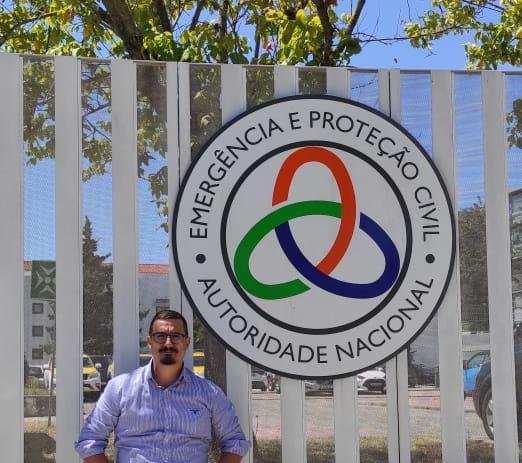
From 5 to 13 August 2024, Dr Georgios Papavasileiou, a postdoctoral researcher at the National Observatory of Athens, carried out a Short-Term Scientific Mission (STSM) at Portugal’s National Emergency and Civil Protection Authority (ANEPC), in collaboration with the School of Agriculture of the University of Lisbon.
In the decision support cell
The mission included:
- national and international briefings, including the European Commission’s DG ECHO wildfire meeting
- the daily analysis routine of the National Wildfire Decision Support Cell, with a focus on available fire weather information
- wildfire analysis procedures, data, tools and models used for preparedness and real-time analysis
- discussions on improving fire weather intelligence, and on how to communicate the potential for pyroconvection within the unit
The Serra da Estrela fire
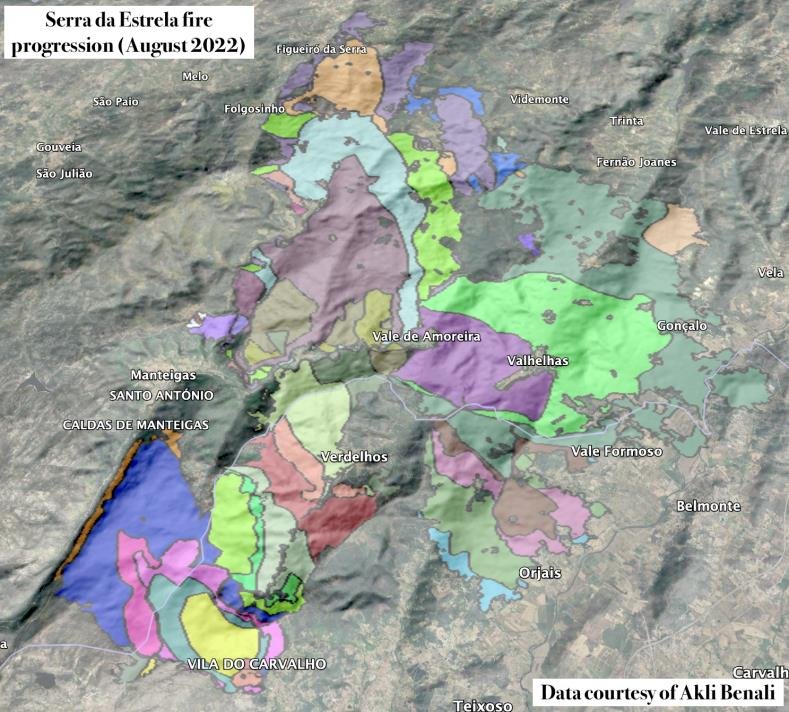
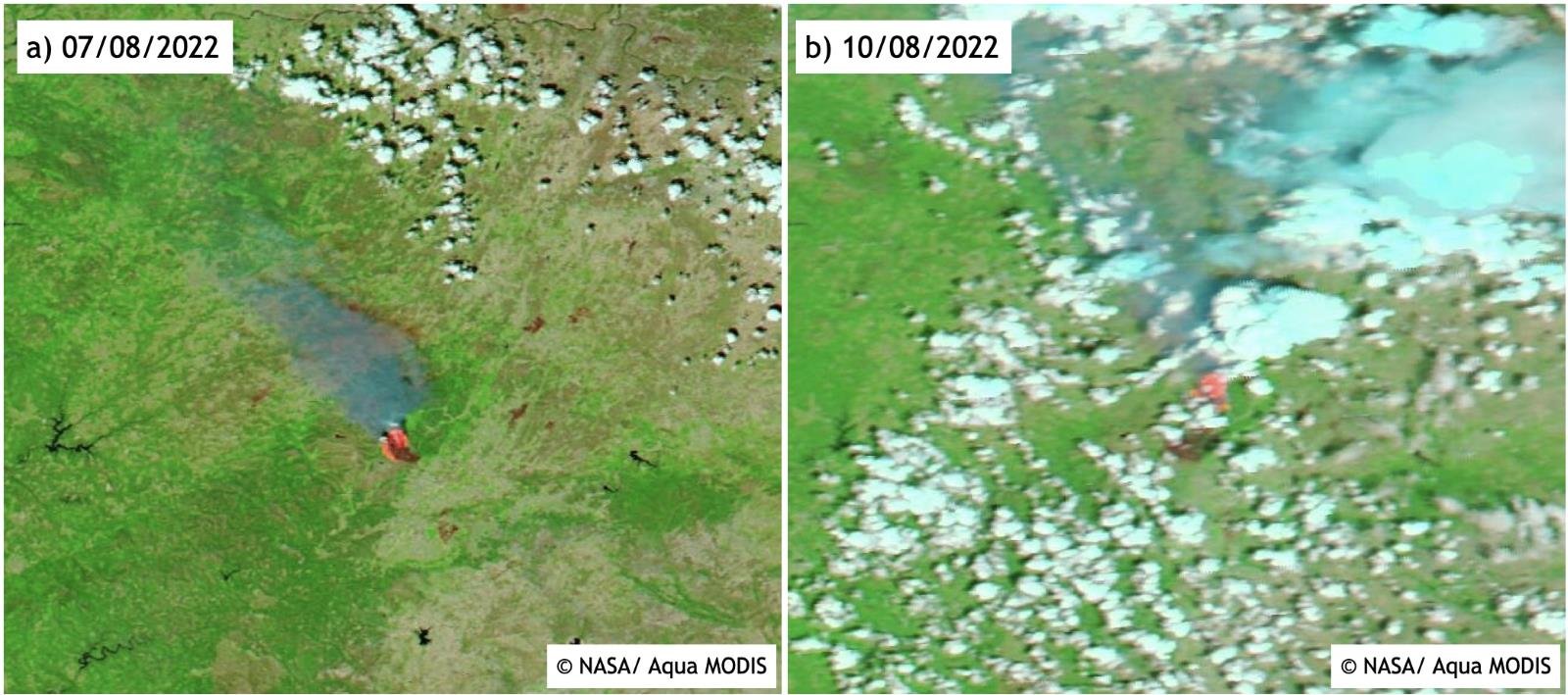
Real-time testing of pyroconvection diagnostics on high-resolution weather forecasts was not possible due to data availability. Instead, Georgios used reanalysis data to apply methods of NOA’s FLAME fire weather team to the 2022 Serra da Estrela fire, focusing on how fire weather drove a shift from wind-driven to plume-dominated behaviour during its pyroconvective stage.
Next steps
The work will be extended using the Portuguese wildfire spread database and linked to NERO Working Group 2’s analysis of extreme fire behaviour processes. With ANEPC and other NERO members, Georgios is also exploring better ways to communicate pyroconvection potential to fire managers, bridging research and practice.
About the grant
| Grantee | Georgios Papavasileiou |
| Home institution | National Observatory of Athens (NOA), Greece |
| Host | School of Agriculture (ISA), University of Lisbon, and the National Wildfire Decision Support Cell (ANEPC), Portugal |
| Dates | 5–13 August 2024 |
| Grant type | Short-Term Scientific Mission |
This grant was funded by COST Action CA22164 – European Network on Extreme Fire Behaviour (NERO), supported by COST (European Cooperation in Science and Technology).