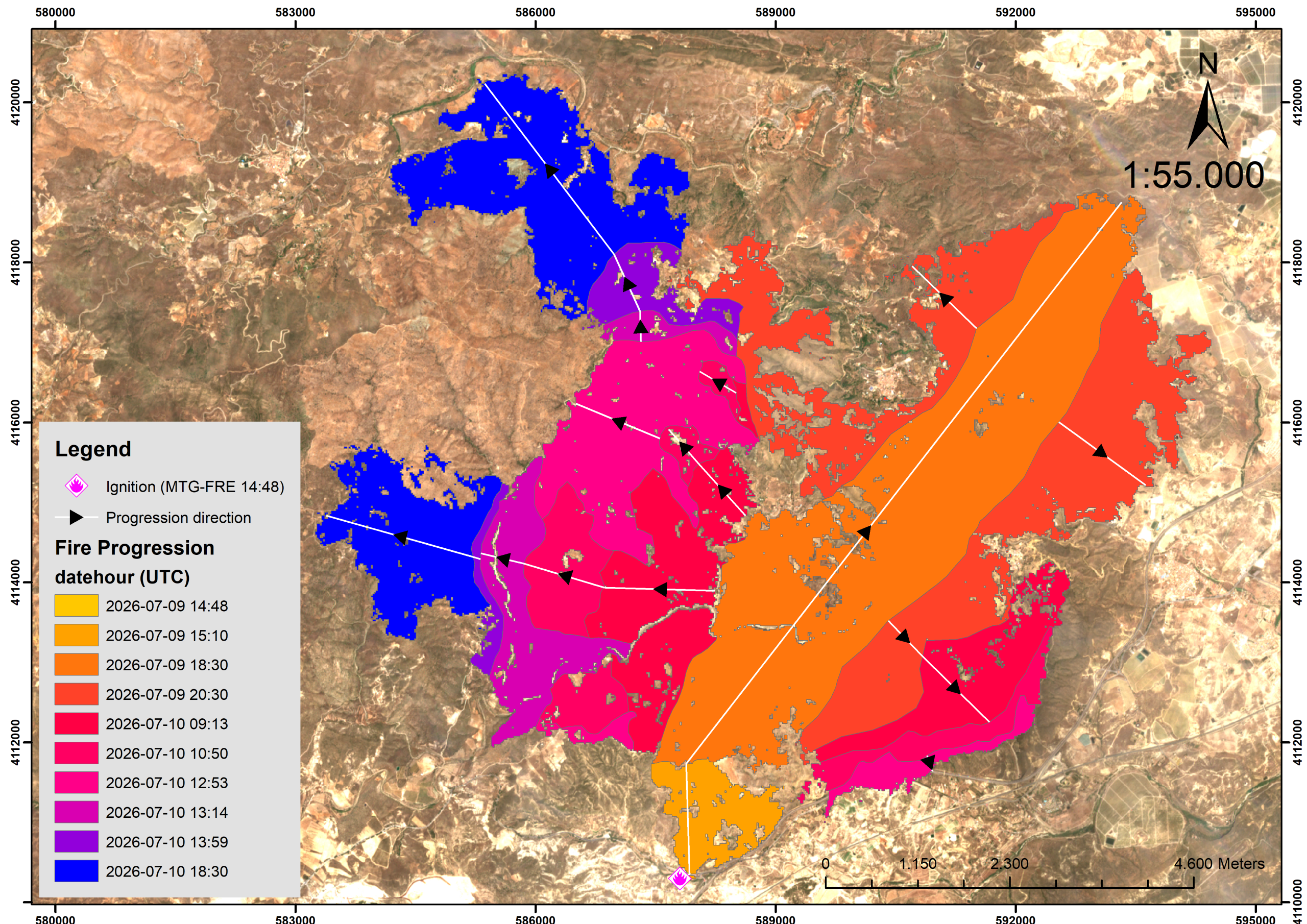
From 21 August to 5 September 2024, Franco Casula of the Sardinian Forest Corps (CFVA) was integrated into the National Wildfire Decision Support Cell at Portugal’s National Emergency and Civil Protection Authority (ANEPC), hosted by the School of Agriculture of the University of Lisbon.
Two weeks in the incident room
The first week was dedicated to understanding real-time firefighting decision-making in the Portuguese National Incident Room and the platform that brings together all data for wildfire analysis. In the second week, Franco took part in nowcasting and analysis of ongoing events, applying the team’s framework and his own field experience, and discussing his results with more experienced analysts.
A key lesson was how remote real-time analysis complements operations on the ground: it adds a better prediction of fire evolution, possible critical points, and the suppression resources needed as the fire develops. Decisions such as activating the aerial fleet were a particular focus.
Reconstructing a fire
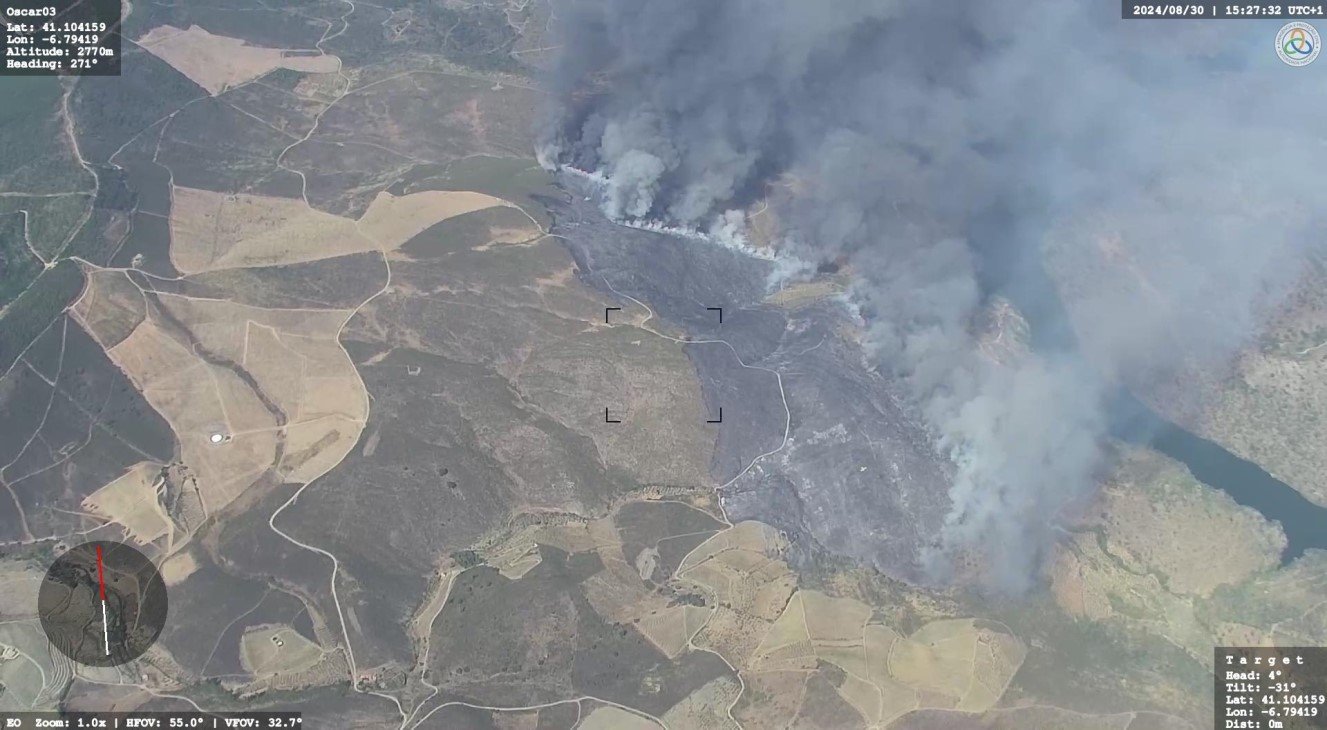
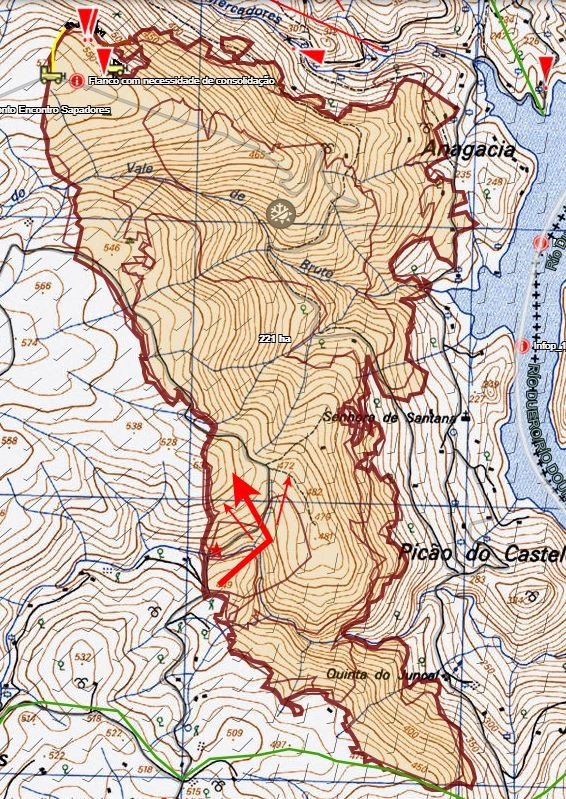
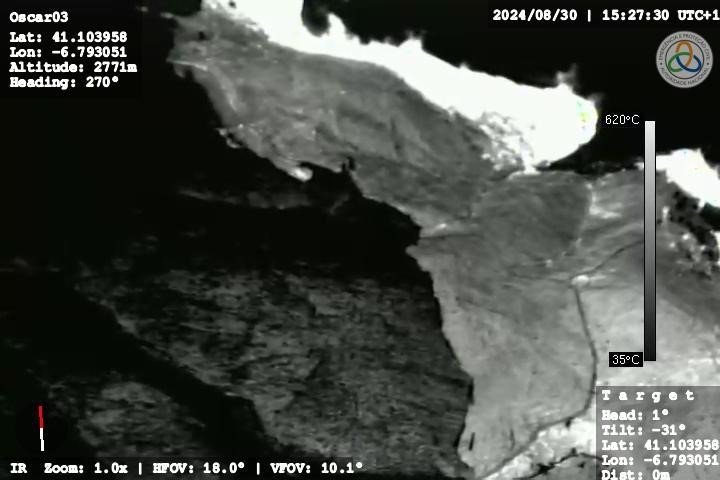
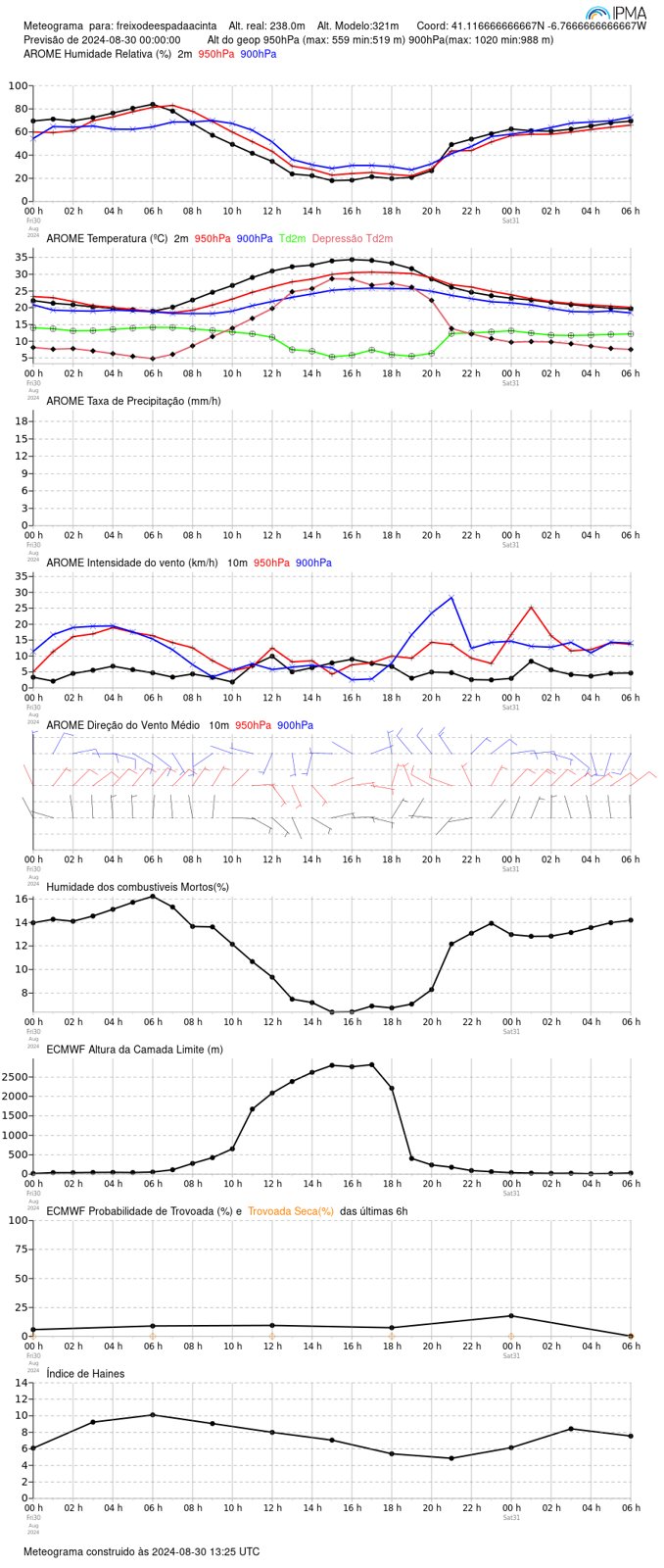
Franco reconstructed the Freixo de Espada à Cinta fire in north-east Portugal (30 August 2024), producing a storytelling document in a standard format, an approach whose wide adoption across the international community of fire analysts would help build shared knowledge and a common language.
Implementing a similar platform is seen as a potential strategic improvement for Sardinia’s wildfire response and a way to spread best practice.
About the grant
| Grantee | Franco Casula |
| Home institution | Corpo Forestale e di Vigilanza Ambientale (CFVA), Sardinia, Italy |
| Host | School of Agriculture (ISA), University of Lisbon, and the National Wildfire Decision Support Cell (ANEPC), Portugal |
| Dates | 21 August – 5 September 2024 |
| Grant type | Short-Term Scientific Mission |
This grant was funded by COST Action CA22164 – European Network on Extreme Fire Behaviour (NERO), supported by COST (European Cooperation in Science and Technology).