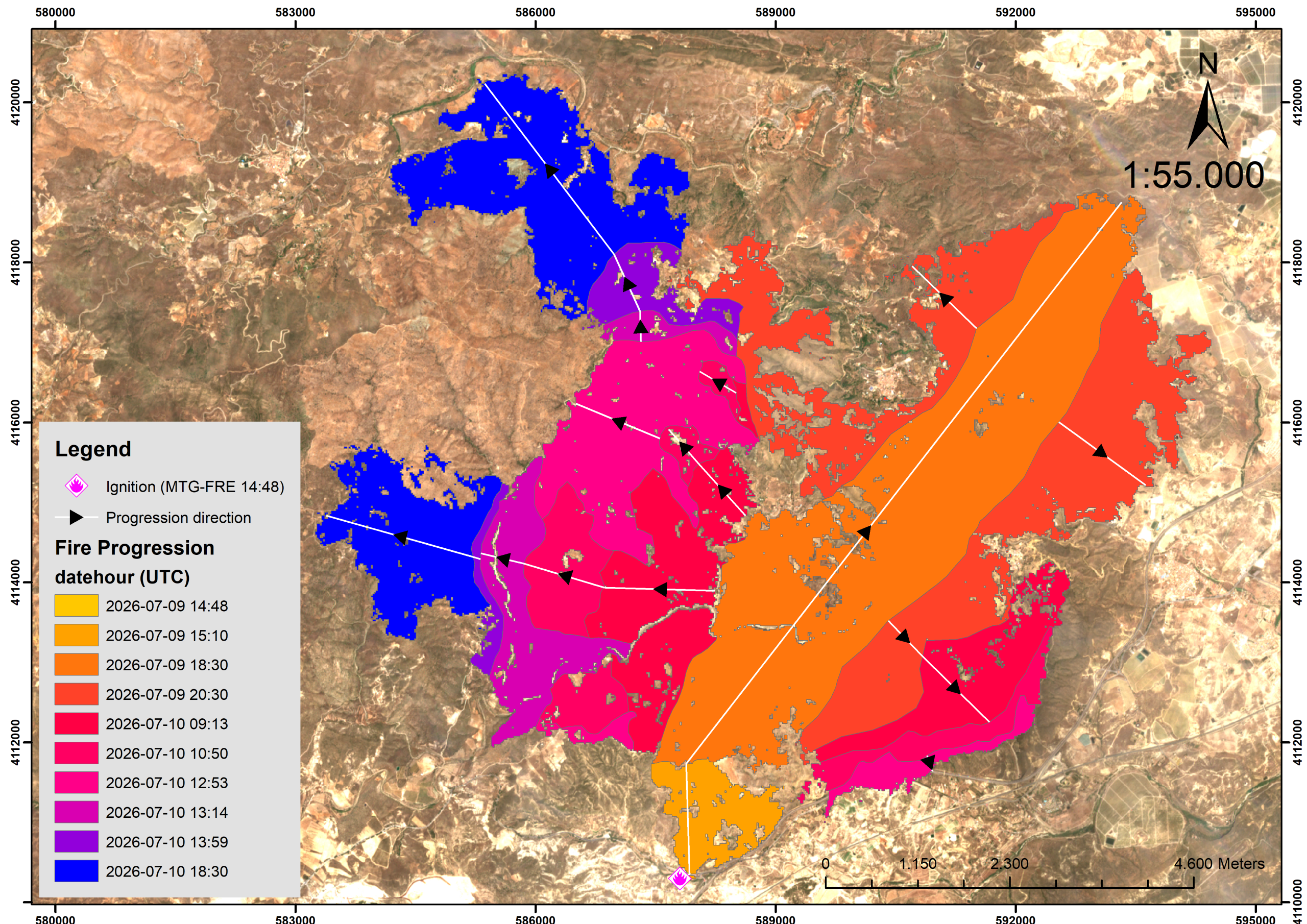
From 9 to 13 September 2024, Bruno Aparício of the University of Lisbon’s Forest Research Centre visited the INFOCA fire analysis group in Seville, Spain. The goals: understand data collection during fire events, learn INFOCA’s fire analysis methods, and explore the use of fire spread simulations.
A 15-minute analysis
INFOCA’s analysts follow a well-established procedure. When an ignition alert comes in with the potential to become significant, based on location, prior knowledge of the area, weather forecast and accessibility, the analyst maps the ignition, reviews the wind forecast for the coming hours, draws the potential fire growth, marks where control is possible, and recommends a strategy, such as which flank to prioritise. All of this is summarised in a simple map sent to the suppression teams, within 15 minutes of the alert.
Over more than a decade, INFOCA has collected observed metrics for hundreds, if not thousands, of fires. As Bruno noted, this data has great untapped potential beyond basic statistics like occurrence and burned area.
An unplanned tool
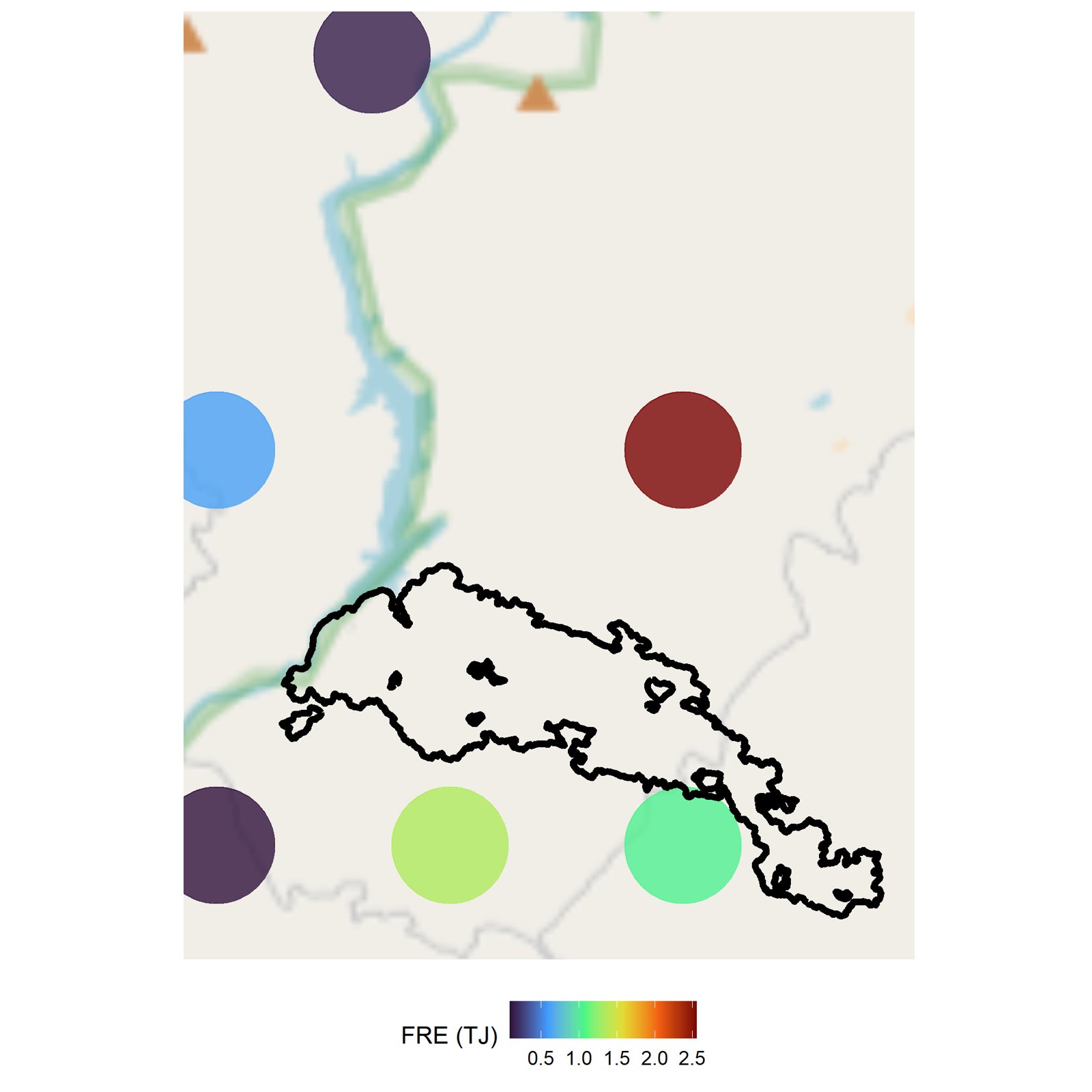
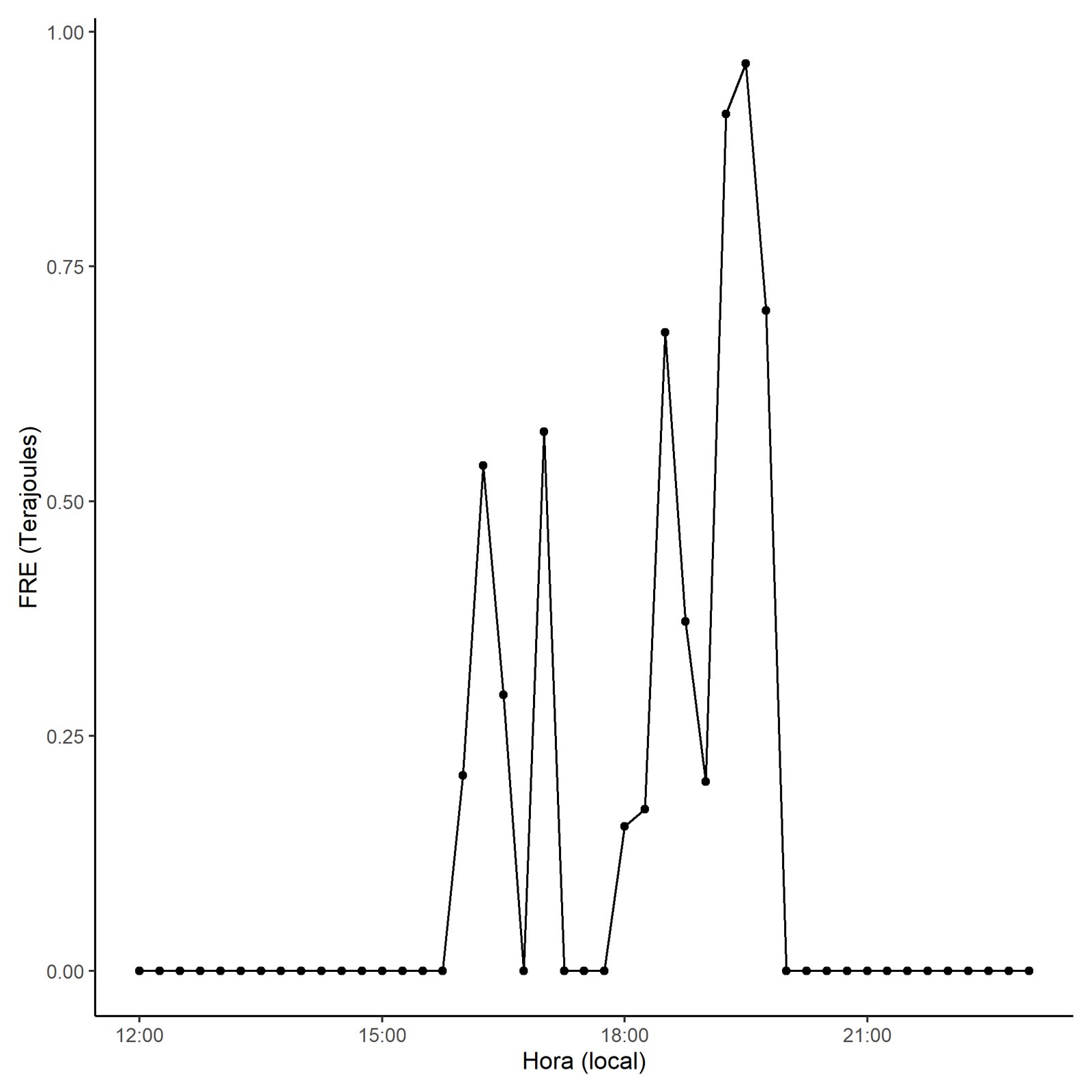
In discussions with INFOCA colleagues, a need emerged: easy access to satellite fire radiative power (FRP) data, which is distributed as shapefiles every 15 minutes. Bruno developed an executable with a simple interface that downloads all FRP files for a chosen period and runs automatic analyses: energy released over time, energy per province, and spatial maps of energy released by a given fire.
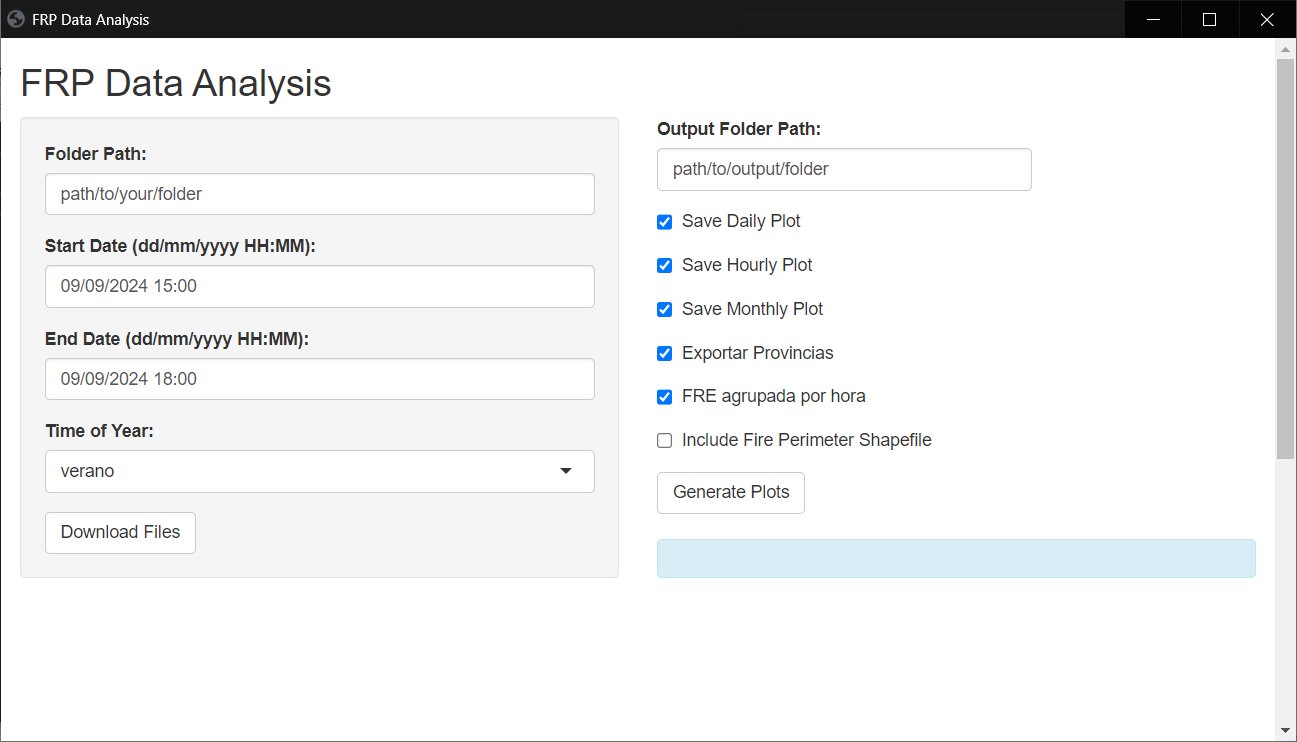
The program was co-designed with INFOCA staff so that its outputs match their specific needs, and a fire analyst has already used it independently during a recent fire.
About the grant
| Grantee | Bruno Aparicio |
| Home institution | Forest Research Centre (CEF), School of Agriculture, University of Lisbon, Portugal |
| Host | INFOCA Regional Coordination Centre, Seville, Spain |
| Dates | 9–13 September 2024 |
| Grant type | Short-Term Scientific Mission |
This grant was funded by COST Action CA22164 – European Network on Extreme Fire Behaviour (NERO), supported by COST (European Cooperation in Science and Technology).